
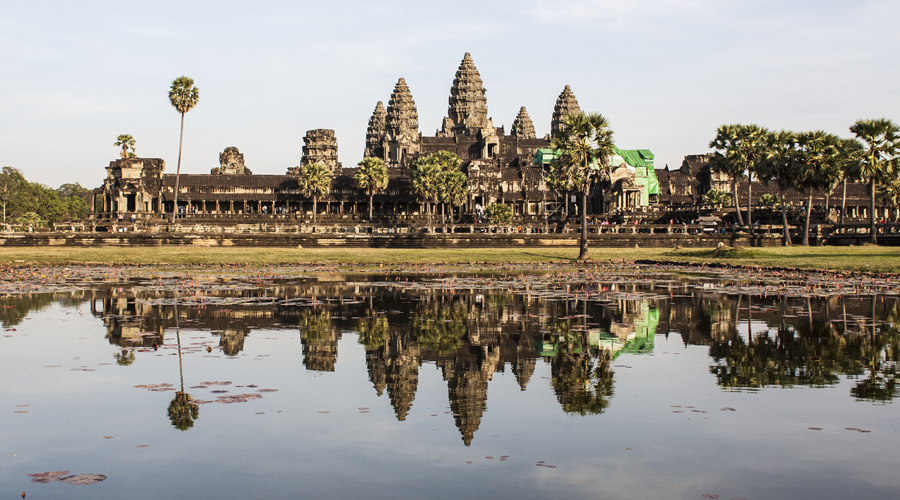
Cambodia, a jewel of Southeast Asia, is a country where ancient history meets vibrant culture and natural beauty. From the world-famous Angkor Wat temples to the bustling streets of Phnom Penh, Cambodia offers travelers a unique blend of spirituality, adventure, and relaxation. Visitors can explore serene beaches, lush countryside, and charming riverside towns, all while experiencing the warmth of Khmer hospitality. Whether you’re a history enthusiast, a foodie, or an eco-adventurer, Cambodia promises unforgettable experiences. This Cambodia Travel Guide will help you navigate the best attractions, local cuisine, cultural insights, and practical tips to make your journey truly memorable.
Best Time to Visit
The best time to visit Cambodia is during the cool and dry season from November to March. During these months, the weather is pleasant, with average temperatures between 25°C and 30°C, making it ideal for sightseeing and outdoor activities. This period is perfect for exploring the ancient temples of Angkor Wat, walking through city streets, or relaxing on the beaches of Sihanoukville and Koh Rong Island.
The hot season (April to May) can be quite warm, with temperatures rising above 35°C, but it’s still a good time to enjoy water activities and fewer crowds at popular sites. Travelers who can handle the heat will also find better hotel deals during this period.
The rainy season (June to October) brings refreshing showers that turn Cambodia’s landscapes lush and green. While travel can be slightly slower due to rain, it’s a fantastic time for photographers and nature lovers — the rice fields, rivers, and waterfalls are at their most vibrant.
In summary, November to March is the most comfortable and popular time to visit Cambodia, but each season offers its own unique charm depending on what kind of experience you’re looking for — from cultural exploration to eco-adventures.
Travel Cost in Cambodia
Cambodia is one of the most affordable destinations in Southeast Asia, making it ideal for travelers of all budgets. On average, a budget traveler can comfortably explore the country with around $25–40 per day. This includes staying in budget hostels or guesthouses, enjoying local street food, and using tuk-tuks or local buses for transportation.
For those seeking a bit more comfort, a mid-range traveler may spend around $50–100 per day. This budget covers boutique hotels, guided tours, and dining at quality restaurants. Mid-range travelers can enjoy activities like Angkor Wat entry tickets ($37 for one day), sunset cruises, or cultural shows.
Luxury travelers can expect to spend $150 or more per day, staying in 4–5 star resorts, dining in fine restaurants, and using private transportation.
Here’s a quick breakdown of common costs:
* Accommodation: $10–100+ per night (depending on type)
* Meals: $2–15 per person
* Transportation: $1–10 for local travel
* Attractions: $10–40 for entry tickets or tours
Overall, Cambodia offers excellent value for money, allowing travelers to enjoy rich culture, stunning nature, and world-famous heritage without breaking the bank.
How to Get There – Cambodia Travel Guide
Getting to Cambodia is convenient from most parts of Asia and other international destinations. The country has two major international airports — Phnom Penh International Airport (PNH) and Siem Reap International Airport (SAI). Both airports handle flights from popular cities like Bangkok, Kuala Lumpur, Singapore, Hanoi, and Ho Chi Minh City, as well as from some Middle Eastern and East Asian hubs.
For travelers from South Asia, the easiest route is to fly via Bangkok or Kuala Lumpur, then take a short connecting flight to Phnom Penh or Siem Reap. Flight time from Bangkok is about one hour, and from Kuala Lumpur around two hours.
Cambodia is also accessible by land from neighboring countries:
* Thailand: Cross the border at Poipet or Koh Kong.
* Vietnam: Enter via Bavet–Moc Bai or Phnom Den–Tinh Bien checkpoints.
* Laos: Cross through the Dong Kralor border.
International bus and minivan services operate regularly between these countries, making overland travel both affordable and scenic.
No matter how you arrive, Cambodia’s entry process is simple — with visa on arrival and e-visa options available for most nationalities, ensuring a smooth start to your adventure.
Where to Stay
Cambodia offers a wide range of accommodation options to suit every budget and travel style. Budget travelers can find affordable hostels, guesthouses, and homestays starting from $10–20 per night. These are common in Siem Reap, Phnom Penh, and near popular tourist areas, offering basic amenities and a chance to meet fellow travelers.
For a more comfortable stay, mid-range hotels and boutique resorts are available for $40–80 per night. These often include private bathrooms, air conditioning, swimming pools, and sometimes breakfast. Mid-range accommodations are ideal for families or travelers who want more comfort while staying close to attractions like Angkor Wat or Phnom Penh city center.
Luxury travelers can enjoy 4–5 star resorts with prices starting from $100 per night. These properties offer modern facilities, spas, fine dining, and scenic views, particularly in Koh Rong, Sihanoukville, and riverside areas of Phnom Penh.
Popular areas to stay include:
* Siem Reap Old Market Area: Close to Angkor temples and lively nightlife.
* Phnom Penh Riverside: Offers easy access to attractions, restaurants, and nightlife.
* Otres Beach (Sihanoukville): Ideal for a relaxing beach vacation.
No matter the budget, Cambodia’s accommodations provide a warm welcome and convenient access to cultural, historical, and natural attractions, ensuring a memorable stay for every traveler.
Local Food & Cuisine
Cambodian cuisine, also known as Khmer cuisine, is flavorful, fresh, and often subtly spiced. It blends influences from Thailand, Vietnam, and China, creating a unique culinary experience. One of the most famous dishes is Amok Trey, a creamy coconut fish curry steamed in banana leaves — a must-try for first-time visitors. Another popular dish is Khmer Red Curry, which is milder than Thai curry but packed with vegetables, meat, or chicken.
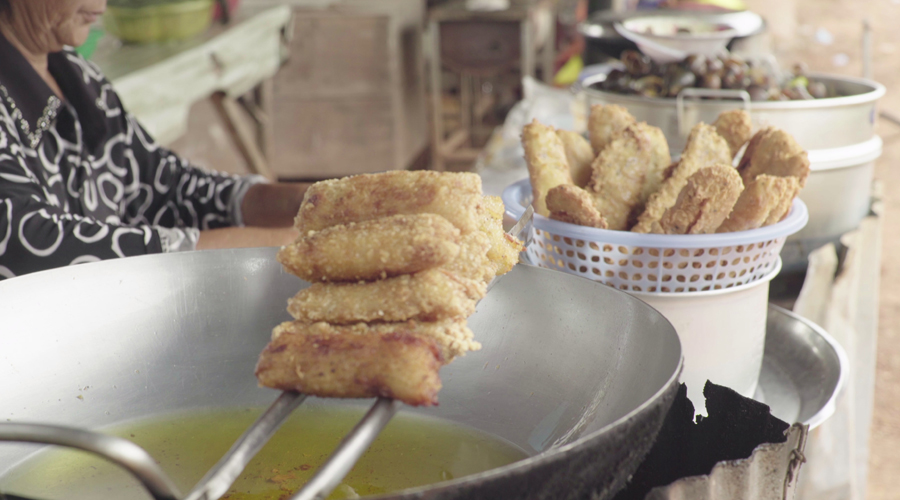
For breakfast, locals often enjoy Nom Banh Chok, a rice noodle dish served with green fish gravy and fresh herbs. Street food is also a major part of Cambodian culture, offering affordable and tasty options like fried rice, spring rolls, grilled skewers, and fresh fruit shakes.
Seafood lovers will find delights in coastal towns like Sihanoukville and Kep, with dishes featuring crabs, prawns, and fish cooked with local spices. Desserts often include sticky rice with mango or coconut-based sweets.
Cambodia is also famous for its local markets, such as Psar Chaa in Siem Reap and Central Market in Phnom Penh, where travelers can sample fresh produce, spices, and snacks.
Dining in Cambodia is not just about food; it’s a cultural experience. Sharing meals with locals, exploring street stalls, or enjoying a traditional Khmer dinner show adds an extra dimension to your trip. Cambodian cuisine is simple, hearty, and unforgettable — a true taste of the country’s heritage.
Experiences in Cambodia
Cambodia offers a wide range of activities that combine history, culture, and nature, ensuring an unforgettable travel experience. The most iconic activity is exploring Angkor Wat and the surrounding temples. Visitors can witness the sunrise over Angkor Wat, wander through the mysterious ruins of Ta Prohm, and admire the smiling stone faces of Bayon Temple in Angkor Thom.
In Phnom Penh, travelers can visit the Royal Palace and Silver Pagoda, or learn about Cambodia’s history at the Killing Fields and Tuol Sleng Genocide Museum. For a more relaxed experience, enjoy a sunset cruise along the Mekong River, offering stunning views of the city and its waterfront life.
Beach lovers can head to Sihanoukville or Koh Rong Island for swimming, snorkeling, or simply relaxing on white sandy beaches. For an offbeat adventure, towns like Kampot and Kep offer pepper farm tours, cave explorations, and river kayaking. Battambang is perfect for experiencing local art, cycling through countryside villages, and riding the unique Bamboo Train.
Food enthusiasts can join Khmer cooking classes to learn how to make traditional dishes like Amok and Khmer curry. Visitors can also explore local markets, enjoy street food, and experience cultural performances featuring traditional music and dance.
From ancient temples to serene beaches and immersive cultural experiences, Cambodia offers something for every traveler, blending adventure, relaxation, and heritage in one unforgettable journey.
Transportation Inside Cambodia
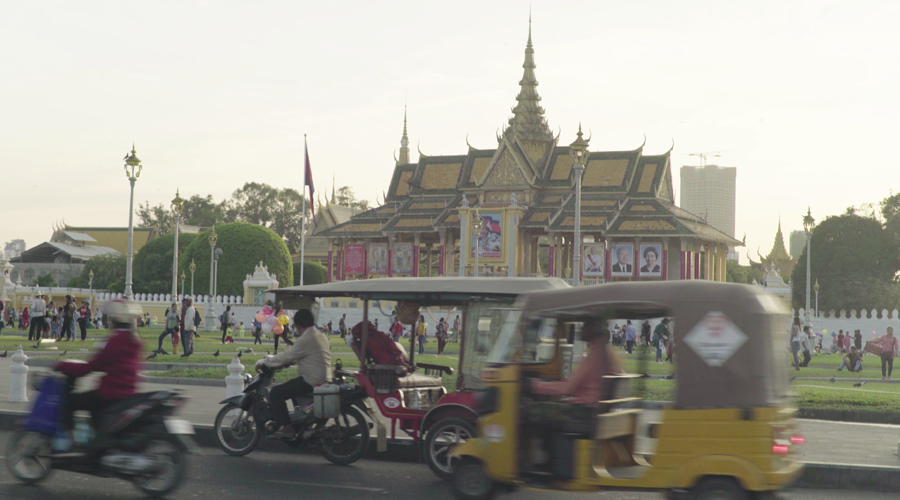
Getting around Cambodia is relatively easy, with options that suit every budget and travel style. Tuk-tuks are the most popular mode of transport in cities like Siem Reap and Phnom Penh. They are affordable, convenient for short distances, and provide a quintessential Cambodian experience. It’s recommended to agree on the fare before starting the ride.
For longer distances between cities, buses and mini-vans are widely used. Companies like Giant Ibis and Mekong Express offer comfortable and air-conditioned services from Phnom Penh to Siem Reap, Sihanoukville, and other destinations. Travel times vary but are generally reliable and budget-friendly.
Motorbike and bicycle rentals are popular in tourist towns like Siem Reap, Kampot, and Battambang. They allow travelers to explore temples, countryside villages, and scenic routes at their own pace. Daily rentals are affordable, but always wear a helmet and drive carefully.
In cities, taxis and ride-hailing apps like Grab and PassApp are convenient for those who prefer a car. They are safe, reliable, and slightly more expensive than tuk-tuks.
For river travel, the Tonlé Sap Lake and Mekong River offer boat services to floating villages and nearby islands.
Overall, Cambodia’s transport network is flexible and accessible. Whether you’re looking for an adventurous motorbike ride, a scenic boat trip, or a relaxed tuk-tuk journey, there’s a transportation option to suit every traveler.
Travel Tips & Safety Tips for Cambodia
Cambodia is a beautiful country to explore, but travelers should follow some essential tips to ensure a safe and enjoyable trip. Health and hygiene are important — always drink bottled or filtered water and avoid ice from unreliable sources. Carry basic medications and mosquito repellent, especially when visiting rural areas or the countryside.
When it comes to personal safety, petty theft like pickpocketing can occur in crowded areas and markets, so keep your valuables, passport, and cash secure. Using hotel safes and money belts is recommended. At night, avoid poorly lit streets and travel in groups when possible.
Tuk-tuks and taxis are common transport options, but always agree on a fare before starting the ride. Ride-hailing apps like Grab or PassApp are convenient and safer alternatives. If renting a motorbike, wear a helmet and drive cautiously, as road conditions can be unpredictable.
Respect local culture and customs. Dress modestly when visiting temples, remove shoes before entering sacred places, and never touch monks unless invited. Learn a few basic Khmer phrases, such as “Sues’day” for hello and “Arkun” for thank you, to show respect.
Finally, check your visa requirements before arrival and keep a copy of your passport and travel documents. By following these travel and safety tips, visitors can enjoy Cambodia’s rich culture, history, and natural beauty with peace of mind.
Visa & Entry Requirements for Cambodia
Traveling to Cambodia is relatively straightforward, as the country offers several options for obtaining a visa. Most international travelers can apply for an e-Visa online before arrival, which is valid for 30 days and suitable for tourism purposes. The process is simple: fill out the application form, upload a passport photo, and pay a fee of around $30. The e-Visa is usually processed within 3 business days.
Alternatively, travelers can obtain a Visa on Arrival at major entry points, including Phnom Penh International Airport, Siem Reap International Airport, and several land border crossings. This visa also allows a 30-day stay and costs approximately $30–35, payable in cash (USD is widely accepted).
Travelers should ensure that their passport is valid for at least six months from the date of entry and has at least one blank page. It is advisable to carry a printed copy of the e-Visa if applying online, as immigration officers may request it.
For longer stays, business, or study purposes, a different type of visa is required, which can be arranged through Cambodian embassies or consulates.
Always check the latest travel advisories and entry requirements, as policies may change. Following these guidelines ensures a smooth entry into Cambodia, allowing travelers to focus on exploring the country’s temples, beaches, and vibrant culture without unnecessary hassle.
Local Culture & Etiquette in Cambodia
Cambodia, known for its rich Khmer heritage, has a culture deeply rooted in Buddhism, traditional customs, and respect for hierarchy. Visitors should be mindful of local etiquette to show respect and avoid misunderstandings.
When visiting temples and religious sites, dress modestly by covering your shoulders and knees. Remove your shoes before entering sacred areas, and avoid pointing your feet toward Buddha statues or monks, as this is considered disrespectful. Physical contact with monks is discouraged; women should not touch monks at all.
Greetings in Cambodia are often done with a “Sampeah”, a gesture where palms are pressed together and slightly bowed. Saying simple phrases in Khmer, like “Sues’day” (hello) or “Arkun” (thank you), is appreciated by locals.
Public displays of affection are frowned upon, especially in rural areas. While casual attire is acceptable in cities and tourist areas, showing respect for local customs is always valued.
Tipping is not mandatory but is appreciated in restaurants, hotels, and for guides. Bargaining is common in markets, but always do so politely.
Understanding and respecting Cambodian culture enhances your travel experience, helping you connect with locals and enjoy a deeper, more meaningful visit. Observing these simple etiquette rules ensures a respectful and enriching journey through Cambodia’s historical and cultural treasures.
Festivals & Events in Cambodia
Cambodia is a country rich in cultural traditions, and its festivals provide a vibrant glimpse into Khmer life. One of the most celebrated events is Khmer New Year (Chaul Chnam Thmey), held in April. This three-day festival marks the traditional lunar new year and is celebrated with water fights, temple visits, and family gatherings. Streets are filled with music, dance, and traditional games, making it a joyous time to experience local culture.
Another important festival is Pchum Ben, or Ancestors’ Day, usually observed in September. During this 15-day event, Cambodians pay respects to deceased relatives by offering food at pagodas. It is a spiritual and family-centered celebration, offering insight into Cambodian religious practices.
The Water Festival (Bon Om Touk), held in November, celebrates the reversing flow of the Tonlé Sap River. This three-day festival features boat races, music, and street fairs, attracting locals and tourists alike. It is one of Cambodia’s most colorful and lively events.
Other notable events include Royal Ploughing Ceremony, marking the start of the rice-growing season, and Independence Day on November 9th, celebrated with parades and fireworks in Phnom Penh.
Attending these festivals allows travelers to witness traditional dances, music, and ceremonies, creating unforgettable memories and a deeper appreciation for Cambodia’s rich cultural heritage. Festivals are an essential part of experiencing the country beyond its temples and natural beauty.
Shopping & Souvenirs in Cambodia
Cambodia offers a delightful shopping experience for travelers seeking unique souvenirs and local crafts. Traditional Khmer silk, handwoven scarves, and clothing are among the most popular items, reflecting the country’s rich textile heritage. Visitors can also find wood carvings, silver jewelry, and lacquerware, perfect for decorating homes or gifting friends and family.
Markets are the heart of Cambodian shopping. In Siem Reap, the Old Market (Phsar Chas) is a bustling hub where you can buy handicrafts, artwork, and local snacks. Phnom Penh’s Central Market (Phsar Thmei) is famous for its distinctive Art Deco architecture and a wide array of goods, from fresh produce and spices to souvenirs and clothing. For high-quality handicrafts, Artisans Angkor in Siem Reap offers beautifully crafted items while supporting local artisans.
Street markets also provide a chance to try local delicacies, such as dried fruits, Kampot pepper, and Cambodian coffee, making your shopping experience both tasty and memorable. Bargaining is common in markets, so approach negotiations politely and with a smile.
For those seeking a more modern shopping experience, Phnom Penh has malls and boutiques offering international brands alongside local products.
Whether you are looking for handcrafted souvenirs, textiles, or unique gifts, shopping in Cambodia offers a vibrant mix of tradition, culture, and creativity — a perfect way to take a piece of Khmer heritage home.
Local Transportation Apps & Travel Tools in Cambodia
Getting around Cambodia has become much easier thanks to modern transportation apps and travel tools. One of the most popular ride-hailing apps is Grab, which operates in major cities like Phnom Penh and Siem Reap. Grab allows travelers to book taxis, motorbikes, and food delivery, offering a reliable and convenient alternative to traditional tuk-tuks.
Another widely used app is PassApp, specifically designed for tuk-tuks and local taxis. It shows estimated fares and provides a secure cashless payment option, making it ideal for tourists who want to avoid haggling over prices.
For navigating the country, Google Maps is essential. It provides accurate directions, helps plan routes between cities, and highlights popular tourist spots, restaurants, and hotels. Travelers exploring rural areas may also find offline maps useful, as network coverage can be limited.
Booking accommodations and tours is convenient through platforms like Booking.com, Agoda, and Klook, which offer competitive prices and user reviews for hotels, guesthouses, and guided experiences.
For language assistance, apps like Google Translate can help communicate with locals in Khmer, especially in markets and rural regions.
Using these transportation apps and travel tools ensures smooth and stress-free travel within Cambodia. They save time, reduce confusion, and make exploring cities, temples, and islands far easier for both first-time visitors and seasoned travelers.
Hidden Gems & Offbeat Destinations in Cambodia
While Cambodia is famous for Angkor Wat and Phnom Penh, the country also offers numerous hidden gems for travelers seeking unique and less-crowded experiences. Koh Rong Island is one such destination — a tropical paradise with white sandy beaches, turquoise waters, and relaxed island life, perfect for swimming, snorkeling, and unwinding away from busy tourist spots.
For nature and wildlife enthusiasts, Mondulkiri Province in eastern Cambodia is a must-visit. Known for its rolling hills, waterfalls, and elephant sanctuaries, it offers a peaceful retreat and opportunities to experience eco-tourism responsibly. Trekking, visiting local ethnic villages, and interacting with wildlife make Mondulkiri an unforgettable offbeat adventure.
The riverside towns of Kampot and Kep are often overlooked by mainstream tourists. Kampot is famous for pepper plantations, caves, and scenic river views, while Kep offers a quiet coastal escape with its crab market and peaceful beaches. These towns are ideal for cycling, kayaking, and tasting authentic Cambodian seafood.
Another hidden gem is Battambang, Cambodia’s artsy town. Beyond its charming colonial architecture, travelers can ride the Bamboo Train, explore rural villages, and discover local art galleries and cultural performances.
Exploring these offbeat destinations allows travelers to experience authentic Cambodian life, natural beauty, and cultural richness away from crowded tourist hubs, making the journey more personal and memorable.
Day Trips & Nearby Places in Cambodia
Cambodia offers plenty of exciting day trips and nearby destinations for travelers based in major cities like Siem Reap or Phnom Penh. From Siem Reap, a popular excursion is Tonlé Sap Lake, the largest freshwater lake in Southeast Asia. Visitors can explore floating villages, watch local fishermen at work, and learn about the lake’s unique ecosystem. A boat ride here offers a glimpse of rural Cambodian life and stunning water landscapes.
Another ideal day trip from Siem Reap is the Banteay Srei Temple, known for its intricate pink sandstone carvings, located about 30 kilometers from the city. Kulen Mountain (Phnom Kulen) is also popular for its waterfalls, reclining Buddha statues, and ancient ruins, offering a refreshing escape from city life.
From Phnom Penh, travelers can enjoy trips to Kampong Cham, a riverside town with historic temples and French colonial architecture. Kampot, about three hours away, is famous for its pepper farms, scenic rivers, and relaxed atmosphere, while Kep offers a quiet coastal retreat with delicious seafood and peaceful beaches.
For nature lovers, the Cardamom Mountains provide trekking adventures and wildlife spotting, ideal for a day or overnight trip.
These day trips let travelers experience Cambodia’s diverse culture, history, and natural beauty beyond the main tourist hubs, making each visit richer and more memorable. They are perfect for exploring the country’s hidden treasures while staying based in a central city.
Weather & Climate Guide in Cambodia
Cambodia has a tropical monsoon climate, characterized by two main seasons: the dry season and the rainy season. The dry season lasts from November to April, with pleasant temperatures ranging from 25°C to 30°C. This is considered the best time to visit, as the weather is ideal for sightseeing, exploring temples like Angkor Wat, and enjoying beaches in Sihanoukville or Koh Rong. The months of December to February are particularly comfortable, with cooler mornings and lower humidity.
The hot season, from March to May, brings high temperatures often exceeding 35°C, making midday outdoor activities challenging. However, mornings and evenings are still enjoyable, and there are fewer crowds at popular tourist sites.
The rainy season, spanning May to October, is marked by heavy but often short-lived tropical showers. While some roads, especially in rural areas, may become muddy or flooded, the countryside turns lush and green, making it ideal for nature photography and exploring less-visited regions like Mondulkiri and Kampot.
Humidity levels are generally high year-round, so light, breathable clothing is recommended. Travelers should also pack rain gear during the wet season.
Understanding Cambodia’s weather helps in planning activities, choosing the right clothing, and making the most of your trip. Whether visiting temples, trekking, or relaxing on beaches, timing your visit according to the climate ensures a more enjoyable and comfortable experience.
Language & Communication in Cambodia
The official language of Cambodia is Khmer, spoken by the vast majority of the population. Khmer has its own script and unique pronunciation, which can be challenging for first-time visitors. While learning a few basic phrases can enhance your experience, many Cambodians in tourist areas speak basic English, especially in cities like Siem Reap, Phnom Penh, and popular resort towns.
Common phrases that are useful for travelers include:
* Hello: “Sues’day”
* Thank you: “Arkun”
* Yes: “Baat”
* No: “Ot Te”
* How much?: “Tlee mouy?”
In rural areas, English proficiency may be limited, so travelers may need to use non-verbal communication, gestures, or translation apps. Google Translate and similar apps are very helpful for reading signs, menus, and communicating with locals.
Cambodia also has several minority languages, such as Cham, Vietnamese, and various indigenous languages in provinces like Mondulkiri and Ratanakiri. However, for most tourist activities, Khmer and English are sufficient.
When communicating, it’s important to speak politely and with a smile, as Cambodians value respectful behavior. Using local greetings like the Sampeah, a gesture with palms pressed together, shows cultural respect and often opens doors for friendlier interactions.
Understanding basic Khmer words and cultural cues helps travelers connect with locals, navigate daily interactions, and enjoy a richer, more immersive experience in Cambodia.
Photography Spots & Instagram Guide in Cambodia
Cambodia is a photographer’s paradise, offering stunning temples, vibrant streets, serene beaches, and picturesque landscapes. The most iconic spot is Angkor Wat in Siem Reap. Sunrise here is a must-capture moment, with golden light reflecting in the temple’s moat, creating a perfect Instagram-worthy scene. Nearby temples like Ta Prohm, with massive tree roots engulfing ancient ruins, and Bayon Temple, famous for its smiling stone faces, provide dramatic and unique photo opportunities.
In Phnom Penh, the Riverside (Sisowath Quay) is ideal for sunset shots over the Mekong River. The Royal Palace and Silver Pagoda showcase stunning Khmer architecture, while street photography in local markets like Central Market (Phsar Thmei) captures the daily life and colorful chaos of the city.
For nature and coastal photography, Koh Rong Island and Sihanoukville beaches offer turquoise waters, white sands, and sunsets perfect for wide-angle shots. Kampot and Kep provide riverside scenes, colonial architecture, and scenic landscapes.
Hidden gems like Mondulkiri waterfalls and Battambang countryside are ideal for capturing offbeat, authentic moments.
For the best Instagram results, shoot during the golden hours (early morning or late afternoon), use wide-angle lenses for temples and landscapes, and don’t forget to explore off-the-beaten-path spots. Cambodia’s mix of history, nature, and vibrant local life makes it a treasure trove for photographers and social media enthusiasts alike.
Sustainability & Eco-Travel Tips in Cambodia
Cambodia’s natural beauty and cultural heritage make it an ideal destination for sustainable and responsible travel. Travelers can minimize their environmental impact while supporting local communities by following a few simple eco-friendly practices.
One important step is to reduce plastic waste. Bring a reusable water bottle and avoid single-use plastics whenever possible. Many accommodations and tour operators now offer refill stations, making it easier to stay hydrated responsibly.
Support local businesses and artisans by purchasing handmade crafts, local textiles, and food products rather than mass-produced souvenirs. This not only sustains the local economy but also helps preserve traditional skills and culture.
When visiting wildlife sanctuaries or elephant centers, choose ethical tours that prioritize animal welfare. Avoid attractions that promote riding elephants or exploiting wildlife. Instead, focus on observation, volunteering, or educational experiences.
Transportation choices also impact sustainability. Opt for bikes, walking, or public transport whenever feasible, reducing carbon emissions and giving you a more authentic experience.
Respect local communities by learning cultural norms, dressing modestly in villages and temples, and asking permission before photographing people.
Lastly, practice responsible trekking and hiking by sticking to marked trails and not littering.
By incorporating these eco-travel practices, visitors can enjoy Cambodia’s temples, beaches, and forests while protecting the environment, supporting communities, and preserving the country’s natural and cultural treasures for future generations.
Final Thoughts
Cambodia is a country where ancient history meets modern adventure. From awe-inspiring temples to tropical islands and cultural warmth, every traveler finds something special here. Plan your trip wisely, travel responsibly, and let Cambodia’s charm captivate your soul.
